UCanMakeItIfYouTry – The Role of Self-Reflection in Inspiring Personal Change
The Role of Self-Reflection in Inspiring Personal Change
In our fast-paced world, where we’re constantly juggling work, relationships, and personal goals, it’s easy to lose sight of what truly matters. We often find ourselves yearning for change but struggle to take the first step. This is where self-reflection comes into play. It’s the powerful process through which we gain insights into our own thoughts and emotions, ultimately driving us towards meaningful personal change. 🚀
Understanding Self-Reflection: A Journey Within
Self-reflection is more than just pondering over past events. It’s about delving deep into your inner world to understand your motivations, desires, and fears. By embracing this practice, you can gain clarity on where you currently stand and where you wish to go. But how exactly does self-reflection inspire personal change?
The Connection Between Self-Reflection and Personal Growth
Personal growth is often synonymous with stepping out of your comfort zone. However, before you can step forward, you need to understand where you stand. Self-reflection serves as a mirror, providing a clear view of your current state, your strengths, and the areas that need improvement. This awareness is crucial for setting realistic and achievable goals.
How to Practice Self-Reflection Effectively
Embarking on a journey of self-reflection can seem daunting. Here are some practical steps to help you get started:
1. Carve Out Time for Yourself 🕒
Begin by setting aside dedicated time each day for self-reflection. This could be as little as 10 minutes in the morning or before bed. The key is consistency. Find a quiet space free from distractions, where you can be alone with your thoughts.
2. Journaling: Your Personal Reflection Tool 📝
Writing is a powerful tool for self-reflection. Start by jotting down your thoughts and feelings. Don’t worry about grammar or structure. Let your pen flow freely. Over time, you’ll notice patterns and insights emerging that you might not have been aware of before.
3. Ask Yourself the Right Questions ❓
To dig deeper, ask yourself open-ended questions such as: “What am I most grateful for today?”, “What challenges did I face and how did I handle them?”, and “What can I do differently tomorrow?”. These questions can guide your reflection and help you uncover valuable insights.
4. Embrace Meditation and Mindfulness 🧘♂️
Meditation and mindfulness practices can enhance your self-reflection process. By focusing on your breath and being present in the moment, you clear your mind of clutter and make space for new insights to arise.
The Benefits of Self-Reflection in Personal Change
The advantages of self-reflection are profound and far-reaching:
1. Enhanced Self-Awareness
Self-reflection boosts self-awareness, allowing you to understand your emotions, triggers, and behavioral patterns. This awareness is the cornerstone of personal growth and change.
2. Improved Decision-Making
With greater clarity and understanding of your values and goals, you can make informed decisions that align with your true self, leading to more fulfilling outcomes.
3. Increased Emotional Intelligence
Reflecting on your experiences and emotions enhances your emotional intelligence, making you more empathetic and better equipped to manage interpersonal relationships.
4. Greater Resilience
Self-reflection helps you recognize past challenges and how you overcame them. This recognition builds resilience, empowering you to tackle future obstacles with confidence.
Overcoming Common Barriers to Self-Reflection
Despite its benefits, many people struggle with self-reflection due to various barriers:
1. Fear of Confronting Emotions
It’s natural to shy away from uncomfortable emotions. However, acknowledging and understanding these feelings is essential for healing and growth. Remember, it’s okay to feel vulnerable.
2. Lack of Time
Incorporating self-reflection into your daily routine can seem challenging, but remember that even a few minutes each day can make a difference. Prioritize this time as an investment in your well-being.
3. Self-Judgment
Be kind to yourself during self-reflection. Avoid harsh judgments and approach your thoughts with curiosity and compassion. Remember, self-reflection is about growth, not self-criticism.
Conclusion: Embrace the Power of Self-Reflection
Self-reflection is a transformative practice that plays a crucial role in inspiring personal change. By dedicating time to explore your inner world, you unlock the potential for profound growth and transformation. Embrace this journey, and you’ll find yourself on a path to a more fulfilled and authentic life. 🌟
FAQs
What is self-reflection?
Self-reflection is the process of examining your own thoughts, emotions, and behaviors to gain a deeper understanding of yourself and your motivations.
How often should I practice self-reflection?
The frequency of self-reflection varies from person to person. However, setting aside a few minutes each day or week can be beneficial in maintaining consistent self-awareness and growth.
Can self-reflection help with anxiety?
Yes, self-reflection can help reduce anxiety by increasing self-awareness and understanding of underlying triggers, enabling you to develop coping strategies.
What if I don’t know where to start?
If you’re unsure where to start, begin with simple journaling prompts or guided meditation apps designed to facilitate self-reflection. Over time, you’ll find a method that resonates with you.


- About the Author
- Latest Posts
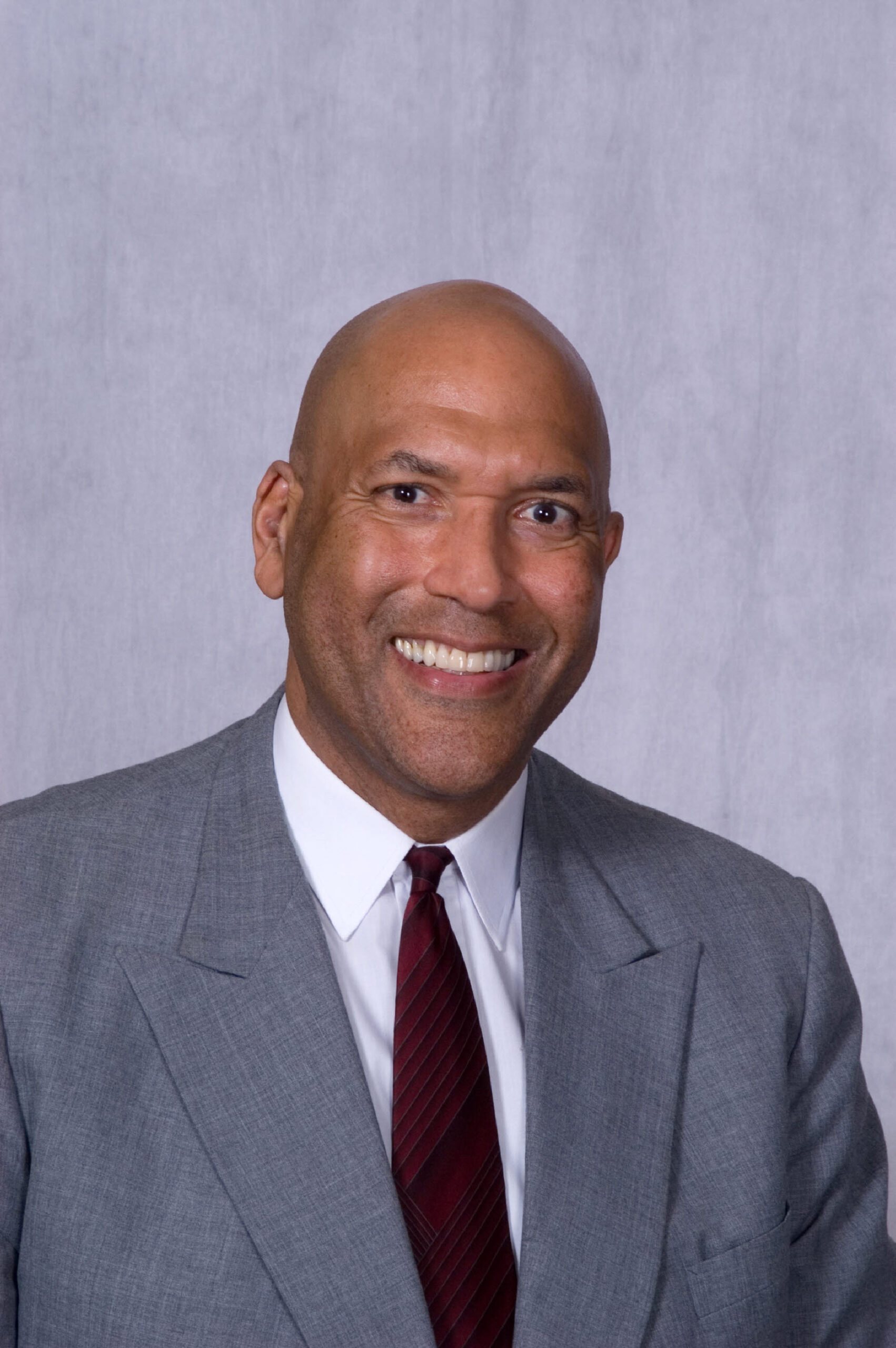
James Donaldson
Former Owner and Director of The Donaldson Clinic (an outpatient physical therapy clinic)
James completed a 20 year professional basketball career in the spring of 2000. James established The Donaldson Clinic in (January 1990 – 2018) (shortly after a career threatening knee injury) with an idea that he would eventually become a physical therapist. He is a strong advocate for Women & Minority owned businesses and is very involved with various Chambers of Commerce. He understands what it takes to sustain a strong business environment that is conducive to the success of businesses overall.
James is a Washington State University graduate (’79). After an outstanding basketball career with WSU, he went on to play professional basketball in the N.B.A. with the Seattle Supersonics, San Diego/L.A. Clippers, Dallas Mavericks, New York Knicks and Utah Jazz. He also played for several in Spain, Italy and Greece of the European Leagues plus toured with The Harlem Globetrotters to wrap up his career. James was an N.B.A. All-Star in 1988 while playing center for the Dallas Mavericks. In 2006, James was inducted into the Pac – 10 Sports Hall of Fame and also the Washington State University Athletic Hall of Fame.
He now devotes the majority of his time to various community activities, and toward the Gift of Life Foundation, speaking on mental health awareness and suicide prevention. James frequently conducts speaking engagements (motivational, inspirational, educational) for organizations, schools, youth groups and is the author of the published “Standing Above the Crowd” of which you can learn more about at www.standingabovethecrowd.com and is available for sale now.
In 2021, James published Celebrating Your Gift of Life: From the Verge of Suicide to a Life of Purpose and Joy. www.celebratingyourgiftoflife.com
James is a 40+ year resident of Seattle. He believes in being a role model of success and professionalism for the scores of young people that he devotes so much of his time to. He currently serves on several Boards and/or committees and is a member of many organizations. (Please see complete listing on back)
James believes in developing relationships that create a “Win – Win” environment for everyone involved, and being the best he can be!