
UCanMakeItIfYouTry – The Role of Hope in Motivation and Change
The Role of Hope in Motivation and Change
Hope is a powerful force that often goes unnoticed in the hustle and bustle of daily life. Yet, it is hope that propels us forward, fuels our ambitions, and empowers us to strive for change. Whether you’re looking to make a career shift, improve personal relationships, or embark on a new adventure, hope is the driving force that can keep you motivated. In this blog post, we’ll explore how hope influences motivation and facilitates change, providing you with the tools you need to harness its power in your own life.
Understanding Hope: More Than Wishful Thinking
Hope is not just about wishing for something better; it’s a complex emotional and cognitive state that involves setting goals, finding pathways to achieve them, and staying motivated along the way. When we have hope, we are more likely to take proactive steps toward our goals because we believe that positive outcomes are possible.

Psychologists define hope as a combination of agency and pathways. Agency refers to our perceived ability to initiate and sustain actions towards goals, while pathways involve the planning and identification of routes to achieve those goals. Together, these components create a framework that allows individuals to pursue change with determination and resilience.
The Connection Between Hope and Motivation
Motivation is the engine that drives us to act. Without it, even the best-laid plans can fall by the wayside. Hope fuels motivation by providing a sense of possibility and encouraging us to envision a future where our efforts pay off. When we have hope, we are more likely to set challenging goals and persist in the face of obstacles.
Consider this: when you hope for a promotion at work, you’re likely to put in extra hours, seek out professional development opportunities, and find innovative solutions to problems. Hope keeps you engaged and committed to your goals, even when the going gets tough.

Hope as a Catalyst for Change
Change is often daunting, requiring us to step out of our comfort zones and embrace uncertainty. Hope acts as a catalyst for change by providing the emotional resilience needed to navigate the unknown. It bolsters our confidence, enabling us to take calculated risks and adapt to new circumstances.
Imagine deciding to move to a new city for a fresh start. Without hope, the challenges of finding a new job, making friends, and adjusting to a different environment might seem insurmountable. However, with hope, these challenges become opportunities for growth and transformation.
Practical Ways to Cultivate Hope
So, how can we cultivate hope in our daily lives? Here are some practical strategies to get you started:
1. Set Clear Goals: Break down your aspirations into specific, achievable goals. This gives you a roadmap to follow and a sense of direction.
2. Visualize Success: Spend time visualizing the successful achievement of your goals. This mental rehearsal can boost your motivation and reinforce your belief in a positive outcome.
3. Celebrate Small Wins: Recognize and celebrate small milestones along the way. This reinforces your progress and maintains your motivation to keep going.
4. Surround Yourself with Positivity: Engage with supportive people who inspire and encourage you. Their positivity can bolster your own hope and motivation.
5. Embrace a Growth Mindset: Believe that you can learn and grow from setbacks. Viewing challenges as opportunities to develop new skills can increase your resilience and hope.
Conclusion: Embrace Hope as Your Ally
In the journey of life, hope is an invaluable ally that can guide you towards your dreams and aspirations. By understanding its role in motivation and change, you can leverage hope to overcome challenges, stay committed to your goals, and create a future filled with possibilities. Remember, no matter how insurmountable a challenge may seem, hope can light the way forward. 🌟
FAQs
Q: How does hope differ from optimism?
A: While optimism is a general expectation that good things will happen, hope is more specific and action-oriented. Hope involves setting goals and finding ways to achieve them, whereas optimism is more about maintaining a positive outlook.
Q: Can hope be learned or developed?
A: Yes, hope can be cultivated through practices like goal setting, visualization, and positive self-talk. Engaging in activities that boost your mood and surrounding yourself with supportive individuals can also enhance your sense of hope.
Q: What role does hope play in mental health?
A: Hope is closely linked to psychological well-being. It can reduce feelings of anxiety and depression by providing a sense of control over the future. Hopeful individuals tend to have better coping strategies and are more resilient in the face of adversity.
Q: Is it possible to have too much hope?
A: While hope is generally beneficial, unrealistic hope can lead to disappointment if goals are unattainable. It’s important to balance hope with realistic expectations and flexibility to adapt to changing circumstances.
Q: How can I maintain hope during difficult times?
A: During challenging periods, focus on what you can control and take small steps towards your goals. Practice gratitude, seek support from loved ones, and remind yourself of past successes to reinforce your hope and resilience.


- About the Author
- Latest Posts
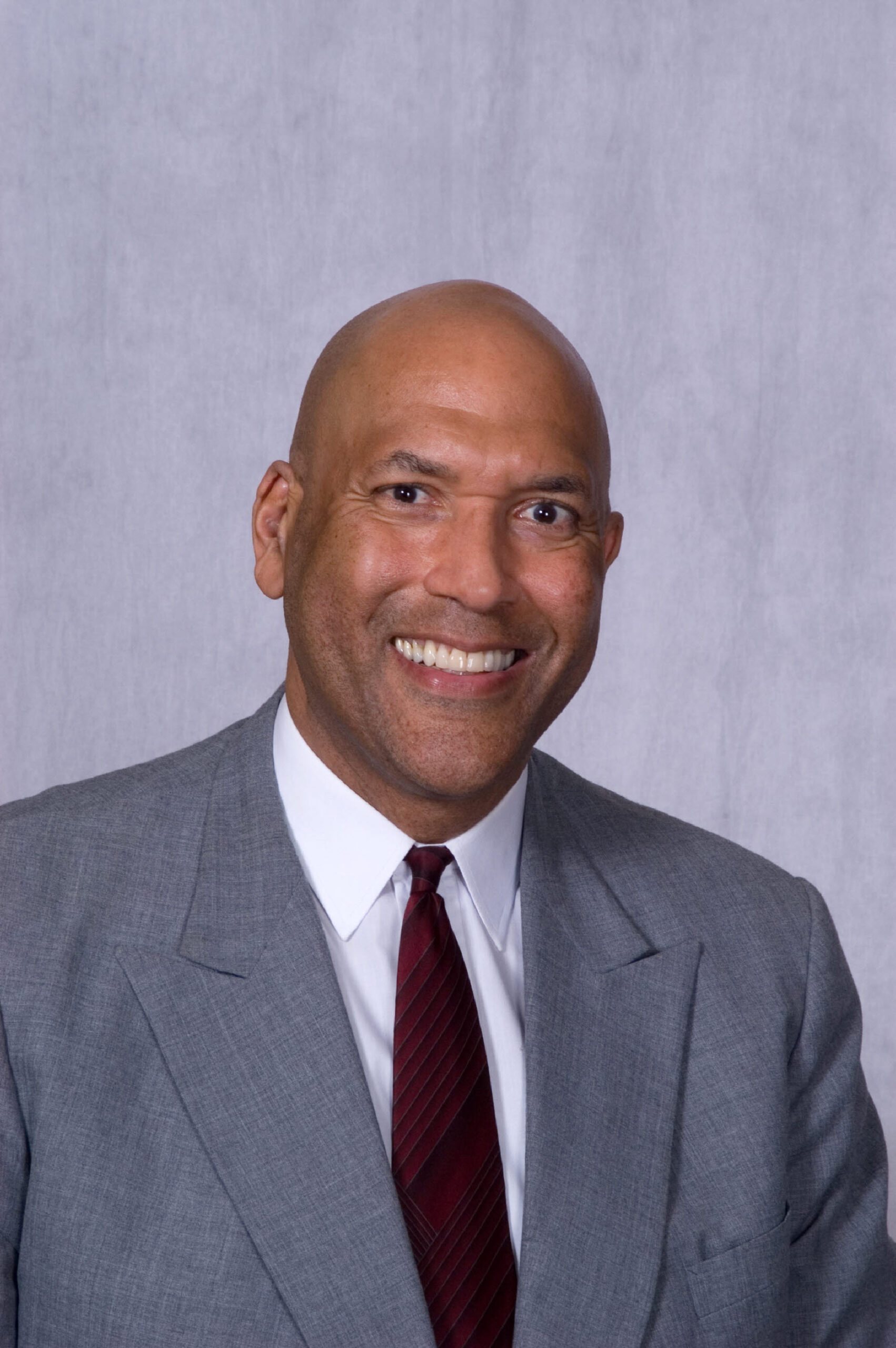
James Donaldson
Former Owner and Director of The Donaldson Clinic (an outpatient physical therapy clinic)
James completed a 20 year professional basketball career in the spring of 2000. James established The Donaldson Clinic in (January 1990 – 2018) (shortly after a career threatening knee injury) with an idea that he would eventually become a physical therapist. He is a strong advocate for Women & Minority owned businesses and is very involved with various Chambers of Commerce. He understands what it takes to sustain a strong business environment that is conducive to the success of businesses overall.
James is a Washington State University graduate (’79). After an outstanding basketball career with WSU, he went on to play professional basketball in the N.B.A. with the Seattle Supersonics, San Diego/L.A. Clippers, Dallas Mavericks, New York Knicks and Utah Jazz. He also played for several in Spain, Italy and Greece of the European Leagues plus toured with The Harlem Globetrotters to wrap up his career. James was an N.B.A. All-Star in 1988 while playing center for the Dallas Mavericks. In 2006, James was inducted into the Pac – 10 Sports Hall of Fame and also the Washington State University Athletic Hall of Fame.
He now devotes the majority of his time to various community activities, and toward the Gift of Life Foundation, speaking on mental health awareness and suicide prevention. James frequently conducts speaking engagements (motivational, inspirational, educational) for organizations, schools, youth groups and is the author of the published “Standing Above the Crowd” of which you can learn more about at www.standingabovethecrowd.com and is available for sale now.
In 2021, James published Celebrating Your Gift of Life: From the Verge of Suicide to a Life of Purpose and Joy. www.celebratingyourgiftoflife.com
James is a 40+ year resident of Seattle. He believes in being a role model of success and professionalism for the scores of young people that he devotes so much of his time to. He currently serves on several Boards and/or committees and is a member of many organizations. (Please see complete listing on back)
James believes in developing relationships that create a “Win – Win” environment for everyone involved, and being the best he can be!