
UCanMakeItIfYouTry – The Link Between Motivation and Emotional Intelligence
The Link Between Motivation and Emotional Intelligence
Have you ever wondered why some people seem to effortlessly stay motivated while others struggle to even get started? The secret might lie in emotional intelligence (EI). This fascinating connection between motivation and EI can unlock the potential for personal growth and success. Let’s dive into the intricate link between these two powerful forces. 🌟
Understanding Emotional Intelligence 🤔
Emotional intelligence refers to the ability to recognize, understand, and manage our own emotions, while also being able to recognize, understand, and influence the emotions of others. It’s a skill set that enables individuals to navigate social complexities and make informed, empathetic decisions.

Psychologist Daniel Goleman popularized the concept in the 1990s, breaking it down into five key components: self-awareness, self-regulation, motivation, empathy, and social skills. It’s the interplay of these components that forms the basis of emotional intelligence.
The Role of Motivation in Emotional Intelligence 🚀
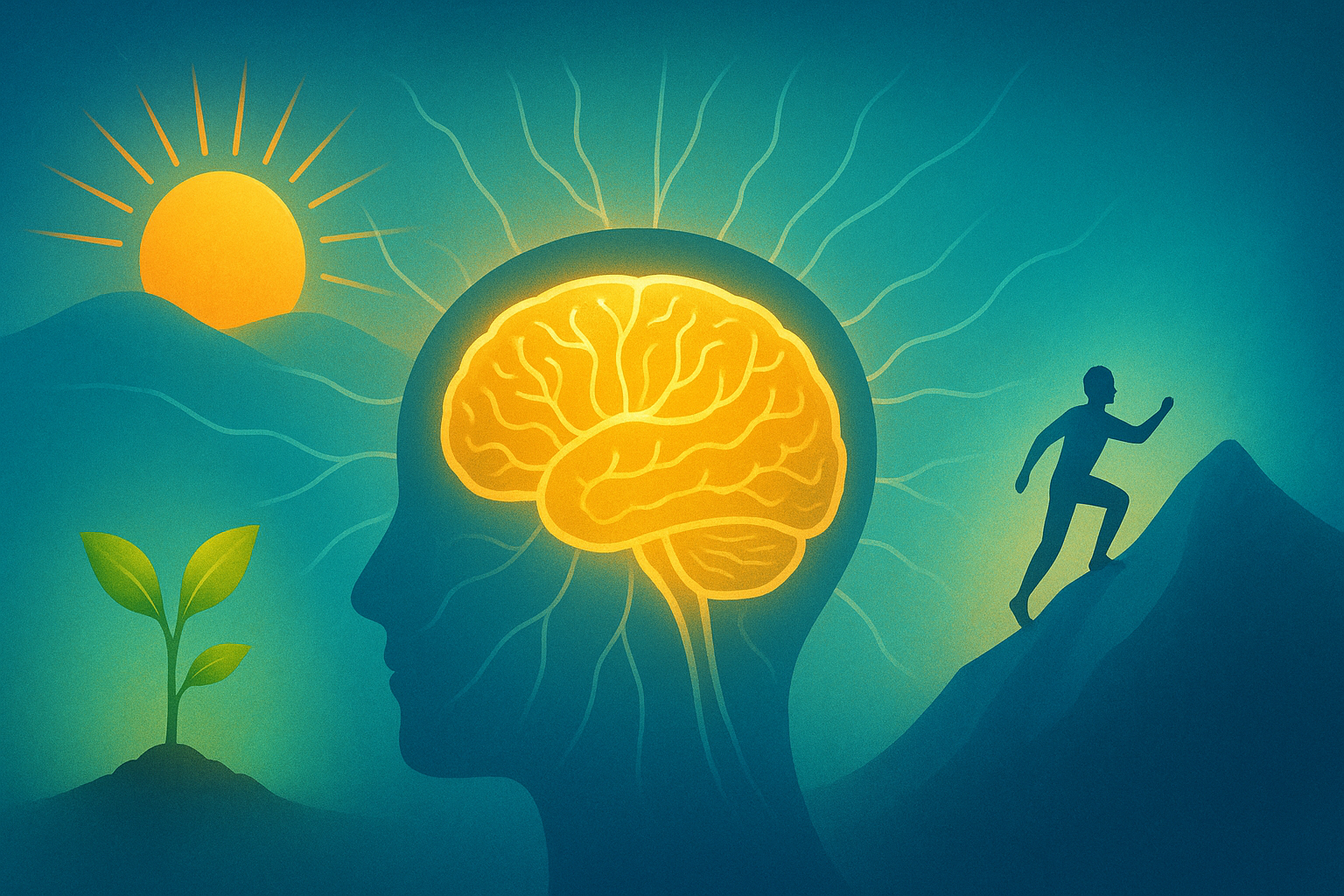
Motivation within the framework of EI isn’t just about pushing oneself to achieve goals; it is about having a deep-seated drive to achieve for the sake of achievement. People with high emotional intelligence tend to have a strong internal motivation, characterized by passion for what they do, a love for learning, and a continuous pursuit of improvement.
This intrinsic motivation is crucial because it is less about external rewards and more about the joy of the process itself. When you are emotionally intelligent, you are more likely to set personal goals that are aligned with your values and passions, which naturally boosts motivation.
How Emotional Intelligence Enhances Motivation 📈
So, how exactly does emotional intelligence enhance motivation? Let’s explore:
1. Self-Awareness Fuels Passion
Self-awareness is the cornerstone of EI. By understanding your emotions and what drives you, you can better align your goals with your true passions. This alignment ensures that your motivation is authentic, not forced, leading to sustained efforts and success.
2. Self-Regulation Maintains Focus
With self-regulation, you can manage your emotions, even in challenging situations. This control prevents emotional upheavals from derailing your motivation. Instead of succumbing to stress or frustration, you can maintain focus on your objectives.
3. Empathy Connects You with Others
Empathy allows you to connect deeply with others, fostering collaboration and support. When you understand and appreciate others’ emotions, you create an environment that encourages mutual motivation, driving collective success.
4. Social Skills Open Doors
Effective social skills enable you to communicate your vision and inspire others. Being able to articulate your goals and connect with like-minded individuals can create a network of support and encouragement, amplifying your motivation.
Practical Tips to Boost Motivation Through Emotional Intelligence 💪
Ready to harness the power of emotional intelligence to boost your motivation? Here are some practical tips:
1. Practice Mindfulness
Mindfulness helps enhance self-awareness. Take time each day to reflect on your emotions and how they influence your actions. This reflection can guide you in aligning your activities with your core values.
2. Set Clear, Meaningful Goals
Create goals that resonate with your personal values and passions. When your goals are meaningful, staying motivated becomes a natural consequence.
3. Cultivate Emotional Resilience
Develop strategies to manage stress and setbacks. Techniques like deep breathing, journaling, or speaking with a mentor can help you bounce back from challenges.
4. Build a Supportive Network
Surround yourself with people who share your passion and values. Their support and feedback can provide motivation and new perspectives on your journey.
FAQs 🤔
What is the main difference between emotional intelligence and traditional intelligence?
Traditional intelligence (IQ) measures cognitive abilities like logical reasoning, problem-solving, and analytical skills, whereas emotional intelligence (EI) focuses on understanding and managing emotions, both personally and in others. Both are important, but EI often plays a critical role in personal and professional success.
Can emotional intelligence be developed over time?
Yes, emotional intelligence can be developed and improved over time. Through self-reflection, practice, and feedback, individuals can enhance their EI skills, leading to better emotional regulation, empathy, and social interactions.
How does emotional intelligence affect leadership?
Leaders with high emotional intelligence can effectively manage their own emotions and understand the emotions of their team. This ability fosters a positive work environment, enhances communication, and drives motivation, ultimately leading to improved team performance.
Conclusion 🎯
The link between motivation and emotional intelligence is undeniable. By understanding and cultivating your emotional intelligence, you can unleash a powerful internal drive that propels you toward achieving your goals. Whether you’re striving for personal development or professional success, integrating EI into your life can transform your journey into a more fulfilling and motivating experience. 🌟


- About the Author
- Latest Posts
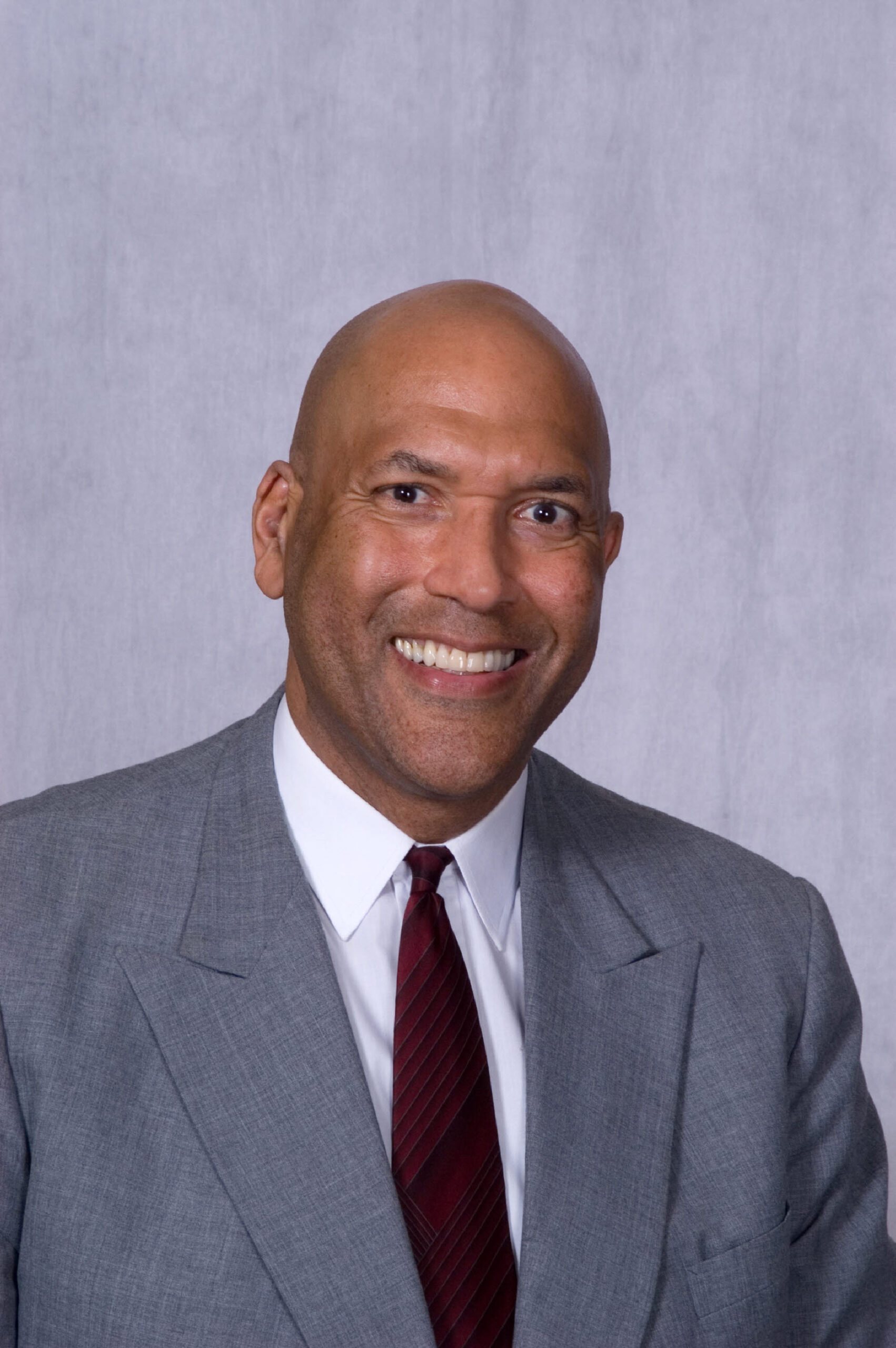
James Donaldson
Former Owner and Director of The Donaldson Clinic (an outpatient physical therapy clinic)
James completed a 20 year professional basketball career in the spring of 2000. James established The Donaldson Clinic in (January 1990 – 2018) (shortly after a career threatening knee injury) with an idea that he would eventually become a physical therapist. He is a strong advocate for Women & Minority owned businesses and is very involved with various Chambers of Commerce. He understands what it takes to sustain a strong business environment that is conducive to the success of businesses overall.
James is a Washington State University graduate (’79). After an outstanding basketball career with WSU, he went on to play professional basketball in the N.B.A. with the Seattle Supersonics, San Diego/L.A. Clippers, Dallas Mavericks, New York Knicks and Utah Jazz. He also played for several in Spain, Italy and Greece of the European Leagues plus toured with The Harlem Globetrotters to wrap up his career. James was an N.B.A. All-Star in 1988 while playing center for the Dallas Mavericks. In 2006, James was inducted into the Pac – 10 Sports Hall of Fame and also the Washington State University Athletic Hall of Fame.
He now devotes the majority of his time to various community activities, and toward the Gift of Life Foundation, speaking on mental health awareness and suicide prevention. James frequently conducts speaking engagements (motivational, inspirational, educational) for organizations, schools, youth groups and is the author of the published “Standing Above the Crowd” of which you can learn more about at www.standingabovethecrowd.com and is available for sale now.
In 2021, James published Celebrating Your Gift of Life: From the Verge of Suicide to a Life of Purpose and Joy. www.celebratingyourgiftoflife.com
James is a 40+ year resident of Seattle. He believes in being a role model of success and professionalism for the scores of young people that he devotes so much of his time to. He currently serves on several Boards and/or committees and is a member of many organizations. (Please see complete listing on back)
James believes in developing relationships that create a “Win – Win” environment for everyone involved, and being the best he can be!