
UCanMakeItIfYouTry – The Science Behind Motivation: What Drives Us Forward
The Science Behind Motivation: What Drives Us Forward
Have you ever wondered what keeps you going when the going gets tough? Whether it’s completing a marathon, finishing a project, or simply getting out of bed each morning, motivation is the driving force that propels us to meet our goals. Understanding the science behind motivation can help unlock your potential and drive success in various aspects of your life. Let’s dive into the fascinating world of motivation, exploring what truly drives us forward. 🚀
Understanding Motivation: The Basics
Motivation is a psychological phenomenon that guides our actions and behaviors. It’s often described as the reason behind why we do what we do. While some people seem naturally more motivated than others, motivation is not just an inherent trait; it’s a complex interplay of psychological and environmental factors.

At its core, motivation can be categorized into two types:
Intrinsic Motivation
Intrinsic motivation comes from within. It involves engaging in activities for their own sake, driven by personal satisfaction or interest. For instance, a hobbyist painter creates art because they love the process, not for external rewards.
Extrinsic Motivation
Extrinsic motivation, on the other hand, is influenced by external factors such as rewards or recognition. A student might study hard to earn good grades or a professional might work extra hours for a promotion. Both forms of motivation are crucial, but understanding how they work can help you harness them effectively.
The Science of Motivation: Key Theories
Science offers various theories that explain what fuels motivation. Let’s explore some key theories:
Maslow’s Hierarchy of Needs
Abraham Maslow proposed a hierarchical model of human needs, suggesting that people are motivated to fulfill basic needs before moving on to higher-level needs. These needs include physiological needs, safety, love and belonging, esteem, and self-actualization. According to Maslow, achieving higher-level needs leads to greater motivation.
Self-Determination Theory
Self-Determination Theory (SDT) emphasizes the importance of autonomy, competence, and relatedness. It suggests that people are most motivated when they have control over their actions, feel competent in their abilities, and have meaningful connections with others. SDT highlights the significance of intrinsic motivation in driving enduring behavior change.
Expectancy Theory
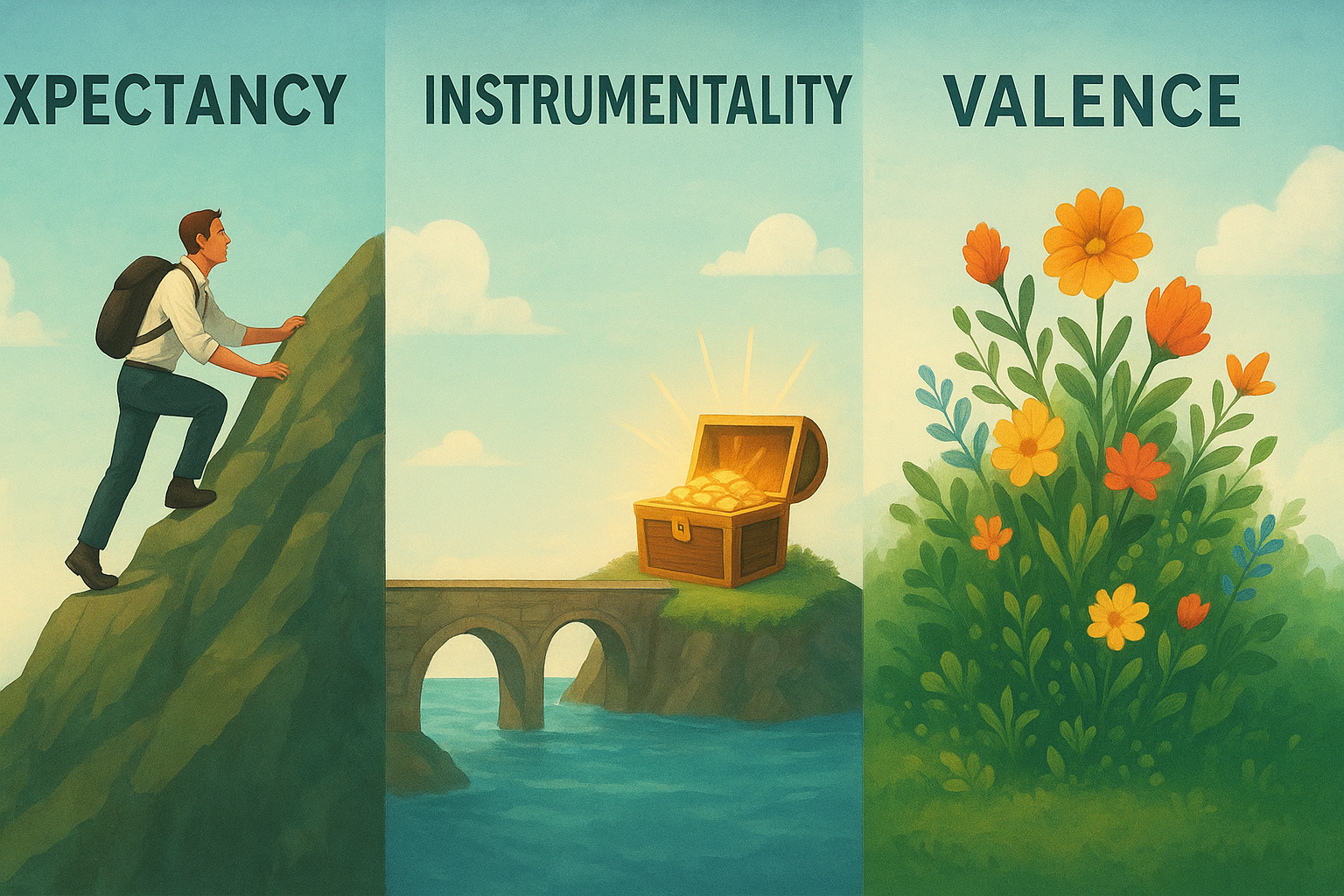
Expectancy Theory posits that motivation is influenced by an individual’s expectation that their effort will lead to a desired outcome. It involves three components: expectancy (belief that effort leads to performance), instrumentality (belief that performance leads to rewards), and valence (value of the rewards). Understanding these components can help in setting realistic goals and expectations.
The Role of Dopamine: The Brain’s Motivational Circuit
Dopamine, often dubbed the “feel-good” neurotransmitter, plays a crucial role in motivation. It acts as a chemical messenger in the brain, influencing pleasure, reward, and motivation. When you anticipate a reward, dopamine levels increase, encouraging you to pursue the behavior that will lead to that reward.
Interestingly, dopamine is more about the anticipation of the reward than the reward itself. This anticipation creates a cycle of desire and action, driving you to achieve your goals. Understanding how dopamine works can help in creating environments and habits that enhance motivation.
Practical Tips to Boost Your Motivation
Harnessing the power of motivation can be transformative. Here are some practical tips to enhance your motivation:
Set Clear Goals
Clear, achievable goals provide direction and purpose. Break larger goals into smaller, manageable tasks to maintain motivation and track progress.
Find Your “Why”
Understanding the deeper reason behind your goals can significantly boost motivation. Reflect on why you want to achieve something and how it aligns with your values.
Create a Supportive Environment
Surround yourself with people who inspire and support you. A positive environment can enhance motivation and help you stay focused on your goals.
Reward Yourself
Incorporate rewards for achieving milestones. Whether it’s a small treat or a break, rewards can reinforce positive behaviors and boost motivation.
Conclusion: Embrace the Journey
Motivation is a powerful force that shapes our actions and achievements. By understanding the science behind motivation, you can tap into its potential to drive success in your personal and professional life. Remember, motivation is not just about reaching the destination; it’s about embracing the journey and growing along the way. 🌟
FAQs
What is the difference between motivation and inspiration?
Motivation is the drive to take action and achieve goals, while inspiration is the spark that ignites the desire to pursue something meaningful. While motivation is more sustainable, inspiration can provide the initial push needed to get started.
How can I maintain motivation during challenging times?
During challenging times, focus on your long-term goals, break tasks into smaller steps, and seek support from your network. Practicing self-compassion and celebrating small wins can also help maintain motivation.
Can motivation be learned or improved?
Yes, motivation can be cultivated. By understanding the factors that influence motivation and implementing strategies like goal-setting, finding your “why,” and creating a positive environment, you can enhance your motivation over time.


- About the Author
- Latest Posts
James Donaldson
Former Owner and Director of The Donaldson Clinic (an outpatient physical therapy clinic)
James completed a 20 year professional basketball career in the spring of 2000. James established The Donaldson Clinic in (January 1990 – 2018) (shortly after a career threatening knee injury) with an idea that he would eventually become a physical therapist. He is a strong advocate for Women & Minority owned businesses and is very involved with various Chambers of Commerce. He understands what it takes to sustain a strong business environment that is conducive to the success of businesses overall.
James is a Washington State University graduate (’79). After an outstanding basketball career with WSU, he went on to play professional basketball in the N.B.A. with the Seattle Supersonics, San Diego/L.A. Clippers, Dallas Mavericks, New York Knicks and Utah Jazz. He also played for several in Spain, Italy and Greece of the European Leagues plus toured with The Harlem Globetrotters to wrap up his career. James was an N.B.A. All-Star in 1988 while playing center for the Dallas Mavericks. In 2006, James was inducted into the Pac – 10 Sports Hall of Fame and also the Washington State University Athletic Hall of Fame.
He now devotes the majority of his time to various community activities, and toward the Gift of Life Foundation, speaking on mental health awareness and suicide prevention. James frequently conducts speaking engagements (motivational, inspirational, educational) for organizations, schools, youth groups and is the author of the published “Standing Above the Crowd” of which you can learn more about at www.standingabovethecrowd.com and is available for sale now.
In 2021, James published Celebrating Your Gift of Life: From the Verge of Suicide to a Life of Purpose and Joy. www.celebratingyourgiftoflife.com
James is a 40+ year resident of Seattle. He believes in being a role model of success and professionalism for the scores of young people that he devotes so much of his time to. He currently serves on several Boards and/or committees and is a member of many organizations. (Please see complete listing on back)
James believes in developing relationships that create a “Win – Win” environment for everyone involved, and being the best he can be!