
UCanMakeItIfYouTry – The Importance of Setting Goals for Success
The Importance of Setting Goals for Success
In the fast-paced world we live in, the journey to success can often feel like a daunting task. But what if there was a roadmap that could guide you? Setting goals is that roadmap. 🗺️ Goals not only provide direction but also help to measure progress and maintain motivation. In this blog post, we will explore why setting goals is crucial for achieving success and how to effectively set and accomplish them.
Why Are Goals Important?
Goals serve as a compass, guiding us towards our desired destination. They provide clarity and focus, allowing us to channel our energy into what truly matters. Without goals, it’s easy to drift aimlessly, losing sight of what we want to achieve. 🧭

Moreover, goals help to break down overwhelming tasks into manageable steps. Achieving these smaller milestones can boost confidence and motivation, reinforcing our commitment to the larger objective.
The Psychological Benefits of Goal Setting
Setting goals is not just about reaching a destination; it’s also about the psychological journey. 🎯 When we set goals, our brains are wired to seek out the rewards associated with achieving them. This creates a cycle of positive reinforcement, encouraging us to continue striving for success.

Additionally, goals provide a sense of purpose and structure. They can improve our mental health by reducing anxiety and stress, as we have a clear plan and direction. By setting and achieving goals, we cultivate a mindset of growth and resilience.
How to Set Effective Goals
Now that we understand the importance of goals, let’s dive into how to set them effectively. Here’s a step-by-step guide to help you set goals that are both achievable and inspiring:
1. Be Specific
Vague goals lead to vague results. Instead of saying, “I want to get fit,” specify what that means for you. Do you want to run a 5k, lose 10 pounds, or attend three yoga classes a week? Specific goals provide a clear direction and make it easier to track progress.
2. Make Them Measurable
Quantify your goals so you can easily evaluate your progress. If your goal is to read more, decide how many books you want to read in a month. Measuring progress helps to keep motivation high, as you can see how far you’ve come. 📚
3. Ensure They Are Achievable
While it’s important to challenge yourself, setting unrealistic goals can lead to frustration and burnout. Consider your current lifestyle, commitments, and resources when setting your goals. Start small and gradually increase the difficulty as you build confidence and skill.
4. Stay Relevant
Your goals should align with your values and long-term objectives. Ask yourself why the goal is important to you and how it fits into your life vision. Keeping goals relevant ensures they are meaningful and worth pursuing.
5. Set Time-Bound Goals
Deadlines create a sense of urgency and prevent procrastination. Whether it’s a short-term goal to complete in a week or a long-term goal for the next year, having a timeframe keeps you accountable and on track. ⏰
Overcoming Obstacles
Even with well-set goals, obstacles can arise. It’s essential to anticipate potential challenges and have a plan in place to overcome them. Remember, setbacks are not failures but opportunities to learn and grow. Stay flexible and adaptable, and don’t be afraid to adjust your goals as needed.
Conclusion
Setting goals is a powerful tool for achieving success. By providing direction, boosting motivation, and fostering personal growth, goals can transform your dreams into reality. Whether you aim to advance in your career, improve your health, or pursue a personal passion, the first step is to set clear, actionable goals. 🌟 Start today and pave the way to your future success!
FAQs
Q: How often should I review my goals?
A: It’s beneficial to review your goals regularly, such as monthly or quarterly, to assess your progress and make any necessary adjustments.
Q: What should I do if I don’t achieve my goal?
A: Reflect on what might have gone wrong and learn from the experience. Adjust your strategy, set a new timeline, and try again with renewed focus.
Q: Can goals change over time?
A: Absolutely! As you grow and your circumstances change, it’s natural for your goals to evolve. Regularly reassess your goals to ensure they remain relevant and meaningful.


- About the Author
- Latest Posts
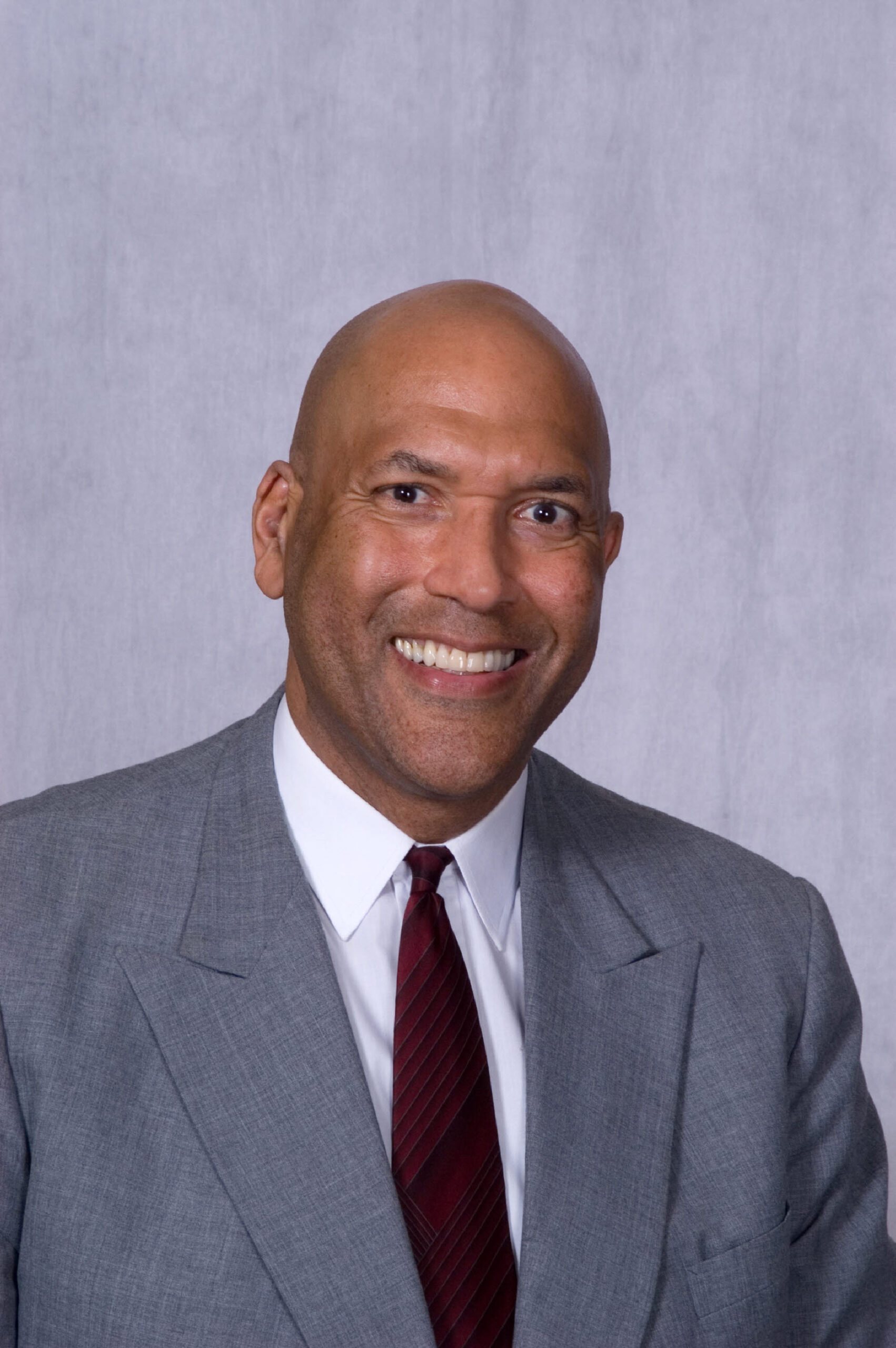
James Donaldson
Former Owner and Director of The Donaldson Clinic (an outpatient physical therapy clinic)
James completed a 20 year professional basketball career in the spring of 2000. James established The Donaldson Clinic in (January 1990 – 2018) (shortly after a career threatening knee injury) with an idea that he would eventually become a physical therapist. He is a strong advocate for Women & Minority owned businesses and is very involved with various Chambers of Commerce. He understands what it takes to sustain a strong business environment that is conducive to the success of businesses overall.
James is a Washington State University graduate (’79). After an outstanding basketball career with WSU, he went on to play professional basketball in the N.B.A. with the Seattle Supersonics, San Diego/L.A. Clippers, Dallas Mavericks, New York Knicks and Utah Jazz. He also played for several in Spain, Italy and Greece of the European Leagues plus toured with The Harlem Globetrotters to wrap up his career. James was an N.B.A. All-Star in 1988 while playing center for the Dallas Mavericks. In 2006, James was inducted into the Pac – 10 Sports Hall of Fame and also the Washington State University Athletic Hall of Fame.
He now devotes the majority of his time to various community activities, and toward the Gift of Life Foundation, speaking on mental health awareness and suicide prevention. James frequently conducts speaking engagements (motivational, inspirational, educational) for organizations, schools, youth groups and is the author of the published “Standing Above the Crowd” of which you can learn more about at www.standingabovethecrowd.com and is available for sale now.
In 2021, James published Celebrating Your Gift of Life: From the Verge of Suicide to a Life of Purpose and Joy. www.celebratingyourgiftoflife.com
James is a 40+ year resident of Seattle. He believes in being a role model of success and professionalism for the scores of young people that he devotes so much of his time to. He currently serves on several Boards and/or committees and is a member of many organizations. (Please see complete listing on back)
James believes in developing relationships that create a “Win – Win” environment for everyone involved, and being the best he can be!