
UCanMakeItIfYouTry – Lessons from Failures: How Perseverance Leads to Success
Lessons from Failures: How Perseverance Leads to Success
Failure is often viewed as a setback, a roadblock that derails our journey towards success. But what if we told you that failure is not the end, but rather a stepping stone to achieving greatness? In this blog post, we’ll explore how embracing failure and cultivating perseverance can lead to success. Whether you’re an entrepreneur, a student, or someone striving to achieve personal goals, this insight can transform your approach to challenges. 🚀
Understanding Failure: A Necessary Step
Failure is an inevitable part of life. It’s something everyone experiences, from the most successful entrepreneurs to athletes and artists. The key is not to avoid failure, but to understand it. Every failure brings with it a lesson, an opportunity to learn and grow. Thomas Edison once said, “I have not failed. I’ve just found 10,000 ways that won’t work.” This mindset shift can be powerful. By viewing failure as an integral part of the learning process, we can reduce the fear associated with it.

Perseverance: The Driving Force
Perseverance is the ability to keep going despite difficulties or delays in achieving success. It is the fuel that keeps our engines running when the going gets tough. When we persevere, we develop resilience, a quality that helps us bounce back from setbacks stronger than before. For instance, J.K. Rowling faced numerous rejections before a publisher finally took a chance on her Harry Potter series. Her story is a testament to the power of perseverance.

Learning from Mistakes: The Pathway to Improvement
Each failure provides a unique opportunity to learn something new. Analyzing what went wrong and why can offer insights that prevent future mistakes. This process of reflection and adaptation is crucial. Consider the case of Walt Disney, who was fired from a newspaper for “lacking imagination.” Instead of accepting defeat, he learned from his experiences and went on to create a legacy that changed the entertainment industry forever.
Setting Realistic Goals: Small Steps to Success
Setting realistic and attainable goals is essential for maintaining motivation. Break down larger goals into smaller, manageable tasks. This approach not only makes the journey less daunting but also helps in tracking progress. Celebrate small victories along the way; they serve as reminders of how far you’ve come and keep the momentum going.
Building a Support System: Strength in Numbers
Surrounding yourself with a supportive network can make a significant difference. Whether it’s family, friends, mentors, or colleagues, having people who believe in you can provide encouragement and advice during challenging times. They can offer new perspectives and help you stay grounded when you feel overwhelmed.
Embracing Change: Adapting to New Realities
Change is constant, and being able to adapt is crucial for long-term success. When faced with failure, being open to change and willing to pivot can lead to new opportunities. Flexibility allows you to navigate through adversity and come out stronger on the other side.
Success Stories: Inspiration from Icons
Many successful individuals have shared their stories of failure and perseverance, offering inspiration to those who feel defeated. Steve Jobs, for example, was ousted from Apple, the company he co-founded. Instead of giving up, he founded NeXT, and his journey eventually led him back to Apple, where he spearheaded revolutionary products like the iPhone.
Conclusion: The Power of Perseverance
In conclusion, failure is not the opposite of success; it’s a part of it. By embracing failure, learning from mistakes, and persevering through challenges, we can achieve our goals and reach new heights. Remember, every setback is a setup for a comeback. Keep pushing forward, and success will follow. 🌟
FAQs
Q: How can I overcome the fear of failure?
A: Start by redefining failure as a learning opportunity. Practice self-compassion and focus on the lessons learned rather than the outcome.
Q: What are some strategies to build perseverance?
A: Set clear and realistic goals, maintain a positive mindset, seek support from others, and learn to embrace change.
Q: Can failure be beneficial?
A: Absolutely! Failure teaches valuable lessons, builds resilience, and can lead to personal and professional growth.


- About the Author
- Latest Posts
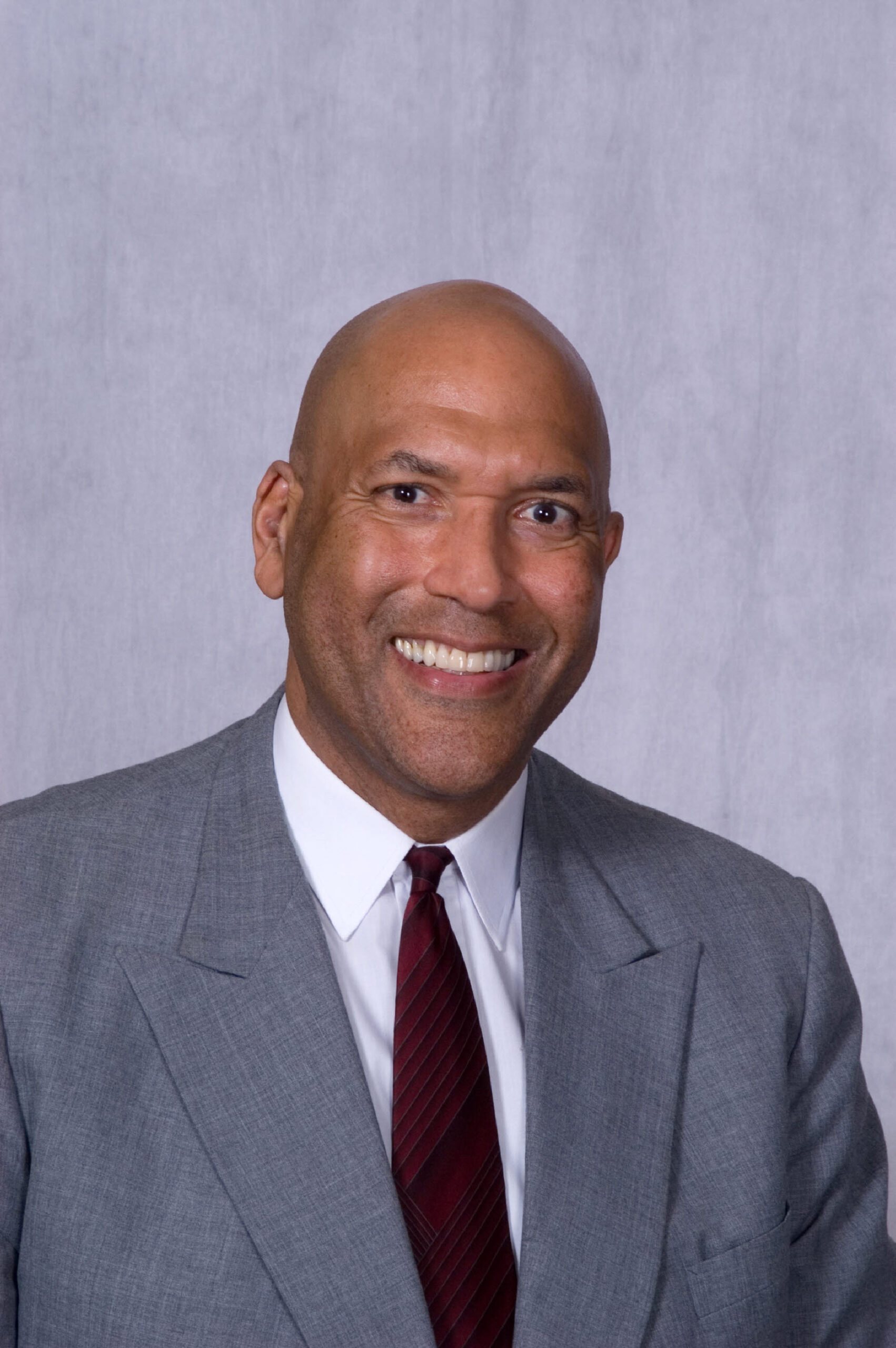
James Donaldson
Former Owner and Director of The Donaldson Clinic (an outpatient physical therapy clinic)
James completed a 20 year professional basketball career in the spring of 2000. James established The Donaldson Clinic in (January 1990 – 2018) (shortly after a career threatening knee injury) with an idea that he would eventually become a physical therapist. He is a strong advocate for Women & Minority owned businesses and is very involved with various Chambers of Commerce. He understands what it takes to sustain a strong business environment that is conducive to the success of businesses overall.
James is a Washington State University graduate (’79). After an outstanding basketball career with WSU, he went on to play professional basketball in the N.B.A. with the Seattle Supersonics, San Diego/L.A. Clippers, Dallas Mavericks, New York Knicks and Utah Jazz. He also played for several in Spain, Italy and Greece of the European Leagues plus toured with The Harlem Globetrotters to wrap up his career. James was an N.B.A. All-Star in 1988 while playing center for the Dallas Mavericks. In 2006, James was inducted into the Pac – 10 Sports Hall of Fame and also the Washington State University Athletic Hall of Fame.
He now devotes the majority of his time to various community activities, and toward the Gift of Life Foundation, speaking on mental health awareness and suicide prevention. James frequently conducts speaking engagements (motivational, inspirational, educational) for organizations, schools, youth groups and is the author of the published “Standing Above the Crowd” of which you can learn more about at www.standingabovethecrowd.com and is available for sale now.
In 2021, James published Celebrating Your Gift of Life: From the Verge of Suicide to a Life of Purpose and Joy. www.celebratingyourgiftoflife.com
James is a 40+ year resident of Seattle. He believes in being a role model of success and professionalism for the scores of young people that he devotes so much of his time to. He currently serves on several Boards and/or committees and is a member of many organizations. (Please see complete listing on back)
James believes in developing relationships that create a “Win – Win” environment for everyone involved, and being the best he can be!